


Renovating an office can be one of the best investments a company makes for its future. A well-designed workspace boosts productivity, encourages creativity, and enhances employee morale. Whether you’re refreshing your layout or completely reimagining the space, a thoughtfully executed renovation helps align the environment with your company’s values and culture.
However, while most business owners focus on visible costs like furniture, flooring, or lighting, hidden costs often slip under the radar. These can quietly inflate your budget and cause unnecessary stress midway through the project. Understanding what these hidden expenses are and how to plan for them can make a world of difference to your renovation experience.
Below are five practical tips to help you keep control of your office renovation budget, avoid unwelcome surprises, and make every dollar count.
1. Establish a clear and realistic budget

The first step in avoiding hidden costs is setting a well-defined and realistic budget. Many companies underestimate the full scope of expenses, focusing only on the main components such as carpentry, electrical works, and furniture. But small items like disposal fees, painting touch-ups, or reinstatement works after lease expiry can add up quickly.
It’s wise to start by listing all possible costs, including professional renovation services, permits, materials, labour, and contingencies. Experts recommend allocating at least 10–15% of your total budget for unexpected expenses (BCA Singapore provides helpful guidelines on renovation regulations and standards). Having a buffer ensures you’re prepared for surprises such as last-minute design changes or material shortages.
Transparent communication with your renovation partner is equally important. A trustworthy contractor will help you understand potential add-ons upfront, allowing you to plan more effectively from day one.
2. Clarify the scope of work early
Scope creep (the gradual expansion of a project’s requirements) is one of the most common culprits behind budget blowouts. It often starts with small requests: adding an extra pantry shelf, moving a partition, or changing the flooring material. Individually, these may seem minor, but collectively, they can add thousands to your final bill.
To avoid this, take the time to define your project scope clearly before work begins. Discuss details with your design team and ensure every element is captured in the quotation. This should include technical specifications, design renderings, and material options.
If you’re unsure about what’s included, ask your contractor to break down costs in writing. Transparency is key. The more detailed the quotation, the less room there is for ambiguity and surprise charges.
3. Understand regulatory and permit costs
In Singapore, certain renovation works, especially those involving electrical, plumbing, or structural changes, require official approval. This may come from the Building and Construction Authority (BCA), Urban Redevelopment Authority (URA), or the building’s management office.
While reputable firms include permit application fees in their quotations, some don’t. Overlooking this can lead to unexpected costs later on. Depending on the scope, permits can cost anywhere from a few hundred to several thousand dollars.
Always confirm which approvals are needed for your project, and who will be responsible for obtaining them. If your office is located in a commercial building or shared workspace, management may also have specific renovation guidelines or restrictions you must follow. Skipping this step could result in fines or costly rework later.
4. Don’t overlook technical and utility upgrades
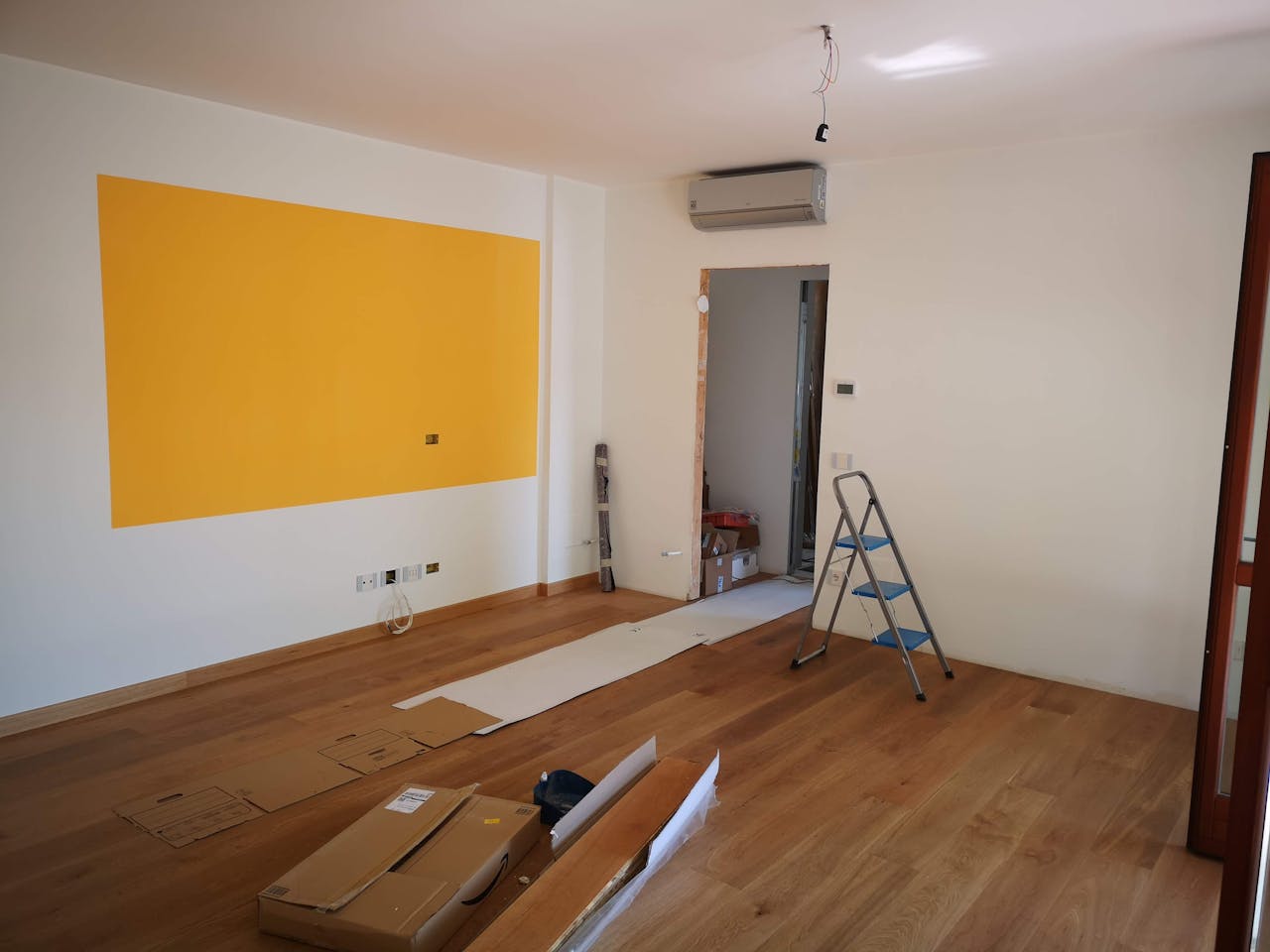
It’s easy to focus on the visual side of an office renovation: the sleek new tables, ergonomic chairs, or feature walls. But the less visible systems like air-conditioning, lighting, cabling, and plumbing are just as important.
For instance, relocating air-conditioning units or adding power points can significantly affect your budget. Even simple things such as adjusting ceiling heights or rerouting electrical lines might require additional testing or rewiring. These technical upgrades often aren’t included in basic renovation quotations.
Engaging a firm that offers comprehensive, professional renovation services helps ensure such details are considered during the planning stage. They’ll conduct a site inspection, assess existing utilities, and highlight areas that may require attention before the renovation starts. This proactive approach can prevent mid-project cost surprises and keep the timeline on track.
5. Plan for post-renovation expenses

After the renovation dust settles, there are still costs to consider. Cleaning, furniture assembly, IT setup, and reinstatement of old fixtures can all incur additional charges. In some cases, landlords require tenants to return spaces to their original condition at the end of a lease, meaning reinstatement costs can appear years later if they’re not budgeted for upfront.
To minimise such issues, document every design change and material used during the renovation. Keep records of drawings and approvals, as these can save time and money when reinstatement becomes necessary.
You should also plan for ongoing maintenance. Even the most beautifully designed offices need regular upkeep to stay in top condition. Ask your renovation partner if they provide maintenance support or recommend trusted vendors. This foresight ensures your office continues to look great and function smoothly for years to come.
Bonus tip: Choose the right partner
Hidden costs are less likely to appear when you work with an experienced, transparent, and reliable renovation company. Look for a team that provides end-to-end solutions, from concept and design to project management and post-completion support. They should also offer clear quotations and explain how each cost contributes to the final outcome.
A reputable contractor won’t just complete the project, but will help you make informed choices that deliver long-term value. Whether your space features open or private offices, the right renovation partner will design and build with both function and aesthetics in mind, ensuring your investment pays off over time.
Checking client testimonials, visiting completed projects, and comparing service scope are good ways to assess potential partners. Don’t choose solely based on price; value, reliability, and communication often make the bigger difference in the long run.
Build a workspace that reflects your vision
Every office renovation carries opportunities and risks. By understanding where hidden costs typically arise and how to manage them, you can approach the process confidently and stay within budget. With careful planning, honest communication, and the right renovation partner, transforming your workspace can be an inspiring and rewarding experience.
View our portfolio at Eight Design to see how we’ve helped businesses across Singapore create functional, modern workspaces that truly bring out the best in their teams.