

Moving into a new office is always an exciting chapter for any business. It often marks growth, fresh opportunities, and a renewed sense of purpose. There’s the thrill of designing your new workspace, picking furniture that reflects your brand, and setting up systems that improve daily operations.
But before the excitement of the new begins, there’s the less glamorous side of things: reinstating your old space. Office reinstatement, also known as “make good works,” is the process of restoring your leased office back to its original condition before handing it over to the landlord. While it may sound straightforward, it’s a task that involves careful planning, coordination, and compliance with your lease terms.
If you’re unsure where to start, here’s a practical step-by-step timeline to help you manage your reinstatement smoothly, from the initial review to the final handover.
Step 1: Review your lease agreement

Your reinstatement journey starts with paperwork, specifically, your lease agreement. Most commercial leases in Singapore include a reinstatement clause that outlines your obligations. It may require you to remove partitions, restore walls, take down fixtures, or even repaint the space to its original condition.
Take time to go through this section carefully. Note down specific requirements and conditions, such as:
- Whether you need to restore the ceiling, flooring, or lighting
- If certain installations (like cabling or plumbing) must be removed
- Any deadlines or penalties for late completion
It’s also a good idea to consult your property manager or landlord to clarify what “original condition” means in your case. Having this conversation early can save you from costly misunderstandings later.
Step 2: Conduct a site assessment
Before you start tearing things down, conduct a detailed site assessment. This helps you understand the current condition of your office and the extent of work required to meet reinstatement obligations.
An experienced office reinstatement contractor in Singapore can perform this assessment professionally. They’ll evaluate areas like partition walls, ceilings, flooring, electrical fittings, and air-conditioning systems. Based on this, they’ll provide a report and quotation outlining what needs to be done and how long it’ll take.
A thorough site assessment allows you to budget more accurately and avoid surprises mid-project.
Step 3: Plan a realistic timeline

Office reinstatement is often time-sensitive. Most landlords in Singapore expect the space to be handed back by a specific date, typically within days or weeks after the lease ends. Rushing the process can lead to poor workmanship, safety issues, or even penalties for late handover.
Here’s a general timeline breakdown you can use as a guide:
- Week 1–2: Lease review and site assessment
- Week 3–4: Finalising contractor and cost estimates
- Week 5–8: Reinstatement works (actual dismantling and restoration)
- Week 9: Site cleaning and final inspection
This timeline can vary depending on your office size, layout complexity, and landlord’s requirements. Starting early gives you enough buffer to handle unexpected issues, like permit delays or additional repair works.
Step 4: Engage the right contractor
Not all contractors specialise in reinstatement projects, which is why working with experts matters. The right team understands the technical and regulatory requirements of office handovers in Singapore, from proper waste disposal to safety compliance under the Building and Construction Authority (BCA) and National Environment Agency (NEA) guidelines.
Look for contractors with experience handling similar projects in commercial buildings or business parks. They should also be familiar with liaising with landlords, building management, and government authorities.
When shortlisting options, consider their:
- Portfolio of past reinstatement projects
- Experience with safety and compliance standards
- Transparent pricing and communication
This is also where choosing certified contractors can make a real difference in ensuring a smooth, compliant process.
Step 5: Obtain necessary approvals
Some reinstatement works, especially those involving electrical, air-conditioning, or structural changes, require approval from building management or local authorities.
Before starting, check if you need:
- Permit-to-Work (PTW) from your building management
- Clearance for electrical or fire safety works
- Waste disposal approval from NEA-licensed contractors
Skipping approvals can delay your project or result in non-compliance fines. Your reinstatement contractor should help you coordinate all necessary documentation and ensure you’re meeting legal requirements.
Step 6: Carry out reinstatement works
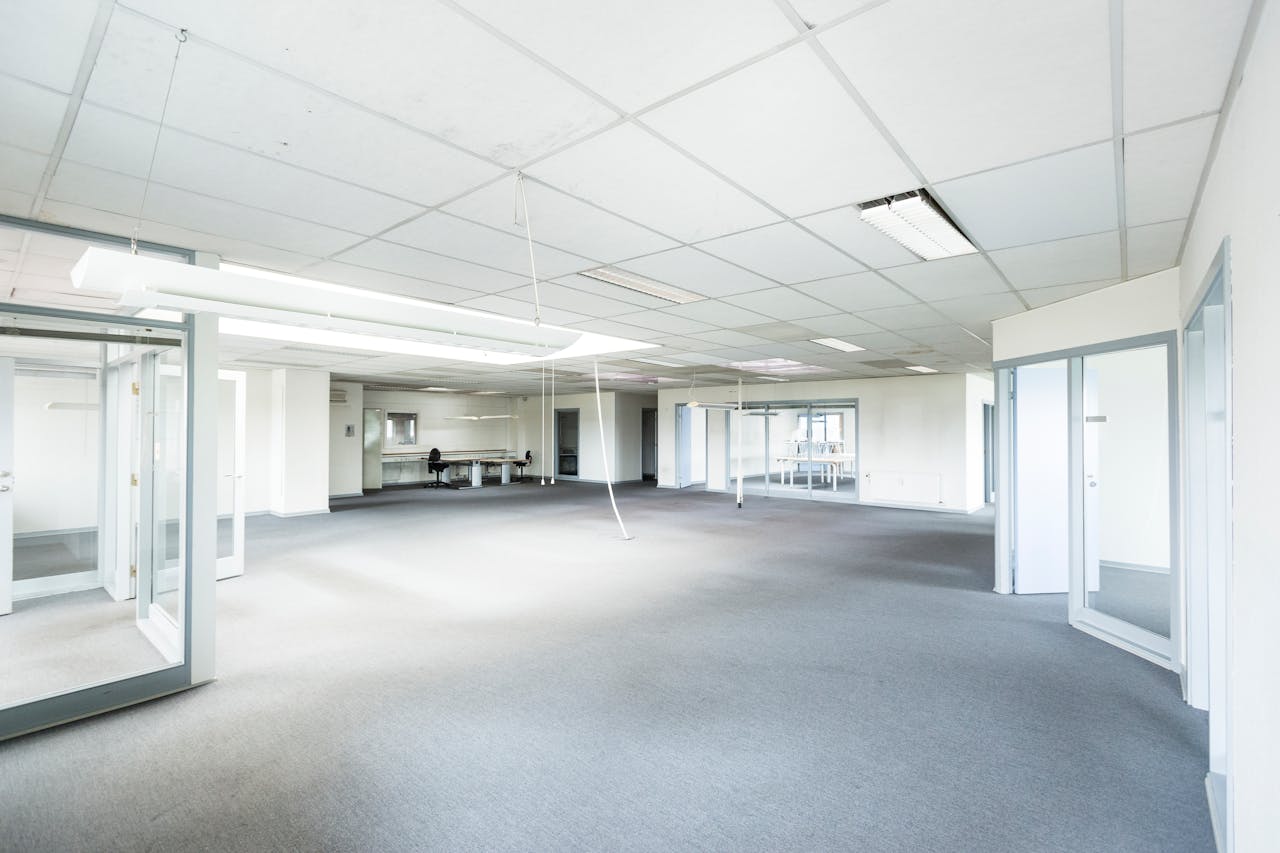
This is where the transformation begins. Though in this case, it’s about returning your space to what it once was. Depending on your lease agreement, works typically include:
- Removing partition walls, glass panels, and false ceilings
- Dismantling built-in furniture and electrical fittings
- Repainting walls and repairing flooring
- Restoring lighting and air-conditioning systems to original layout
- Cleaning and removing debris after dismantling
A good contractor will schedule the works strategically to minimise disruption, especially if your team is still using the space during the transition. For instance, dismantling can be done in phases to maintain safety and accessibility.
Quality checks should be performed at each stage to ensure compliance with reinstatement standards and landlord expectations.
Step 7: Conduct a final inspection

Before calling it a day, do a detailed walkthrough of the completed reinstatement works with your contractor. Check if everything matches the landlord’s specifications, from paint colour and flooring finish to reinstated fixtures.
Once you’re satisfied, schedule an official inspection with your landlord or property manager. Be ready to provide documentation such as work completion reports, disposal records, and permits, if applicable.
If the landlord raises any issues, address them promptly. It’s always better to resolve them before the final handover to avoid deductions from your security deposit.
Step 8: Hand over the premises
After the final inspection, you can officially hand back the office space. Prepare a simple handover document that outlines the condition of the space and includes signatures from both parties.
At this stage, your reinstatement contractor should help you ensure all utilities are properly terminated, and any waste or leftover materials are cleared. With this, your previous office chapter closes smoothly, leaving you free to focus on your next big move.
Keeping your reinstatement stress-free
The key to a hassle-free reinstatement is preparation and communication. From reviewing your lease to coordinating with building management, every step builds towards a smooth handover.
A reliable office reinstatement contractor takes much of that stress off your shoulders, managing timelines, permits, and quality assurance while keeping you updated every step of the way. Their expertise not only saves you time but also ensures compliance, which can protect your security deposit and maintain a positive relationship with your landlord.
Ready to move forward with confidence
Reinstating your office doesn’t have to be a daunting process. With early planning, the right team, and clear communication, you can hand over your space efficiently and move into your new one with peace of mind.
If you’re preparing for an office move and want to ensure a seamless transition, contact us for a custom quote. Eight Design offers exceptional services built on trust, experience, and a genuine understanding of what businesses in Singapore need.