


Employee retention is something many companies quietly wrestle with. You’ve offered perks, you’ve invested in training, you’ve encouraged more frequent check‑ins, and yet still some of your best people hand in notice. It’s frustrating, especially when you feel you’ve done everything you can to help. What if the missing piece isn’t in HR policy or salary bands, but in the physical space your team occupies?
When your office just feels uninspiring, chaotic or disconnected, it might be sending all the wrong signals: “We’re not invested in you”, “This place isn’t built for your best work”, or “We’re stuck in a layout from a decade ago”. The good news: transforming that space, intentionally and thoughtfully, can make a genuinely positive impact on retention, well‑being, and productivity.
Why office design is important
Firstly, a well‑designed workspace demonstrates care. When you walk into an office and immediately feel a sense of calm, flow, or connection, it’s different. You feel valued, you feel that someone thought about you. Design impacts psychological safety, belonging, and comfort, which are all important when your people decide whether to stay or move on.
Secondly, the work we do today is more varied than ever. In Singapore, especially, hybrid models and diverse teams mean your space needs to serve multiple purposes: deep focus, collaboration, ideation, recharge. If your space only supports one mode, you’re inadvertently frustrating your people.
Thirdly, turnover is expensive – in lost knowledge, in recruitment time, in culture disruption. Singapore Business Review reports that Singapore had one of the lowest retention rates in Asia‑Pacific, around 53 % in 2022. When you pair that with data showing that improved workplace design can reduce turnover significantly, it becomes clear that investment in space isn’t optional if you view your people as long‑term.
How space influences teams
Small changes in your office environment can have a big impact on how your team feels, collaborates, and stays engaged. Here are some ways space can influence teams:
1. Zones that support different modes
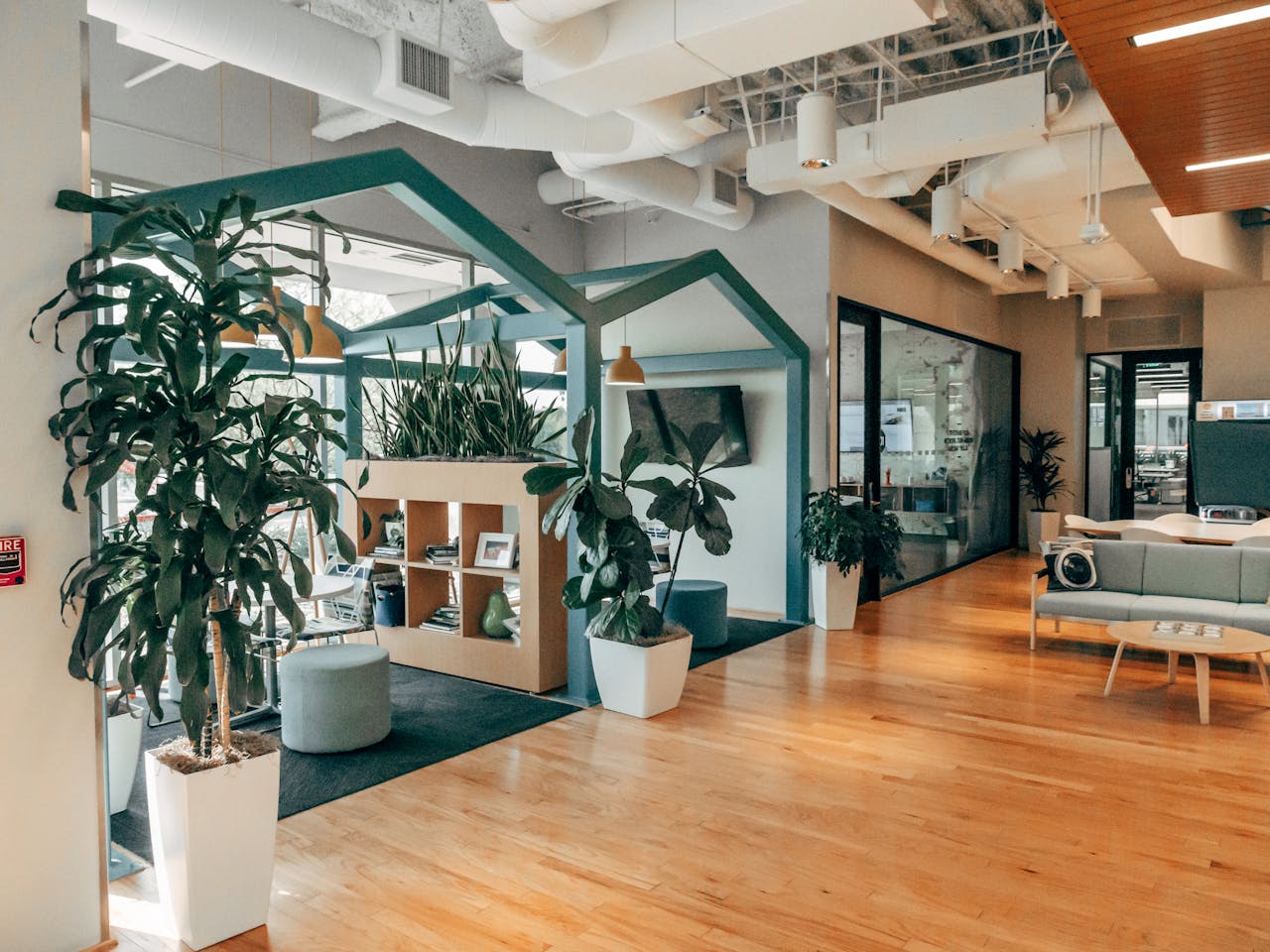
Think of a layout that includes focused work‑stations, breakout zones, quiet pods, and team‑huddle areas. Contemporary Singapore offices are leaning into this multi‑zonal model. When people don’t need to fight for a quiet corner or grab the only huddle room, they feel supported.
2. Ergonomics, comfort, and wellness
A chair that causes backache, glare on screens, no opportunity to stand or walk – these small factors add up. When staff feel well in their bodies, they’re more likely to feel well in their mind and stay.
3. Design signals culture
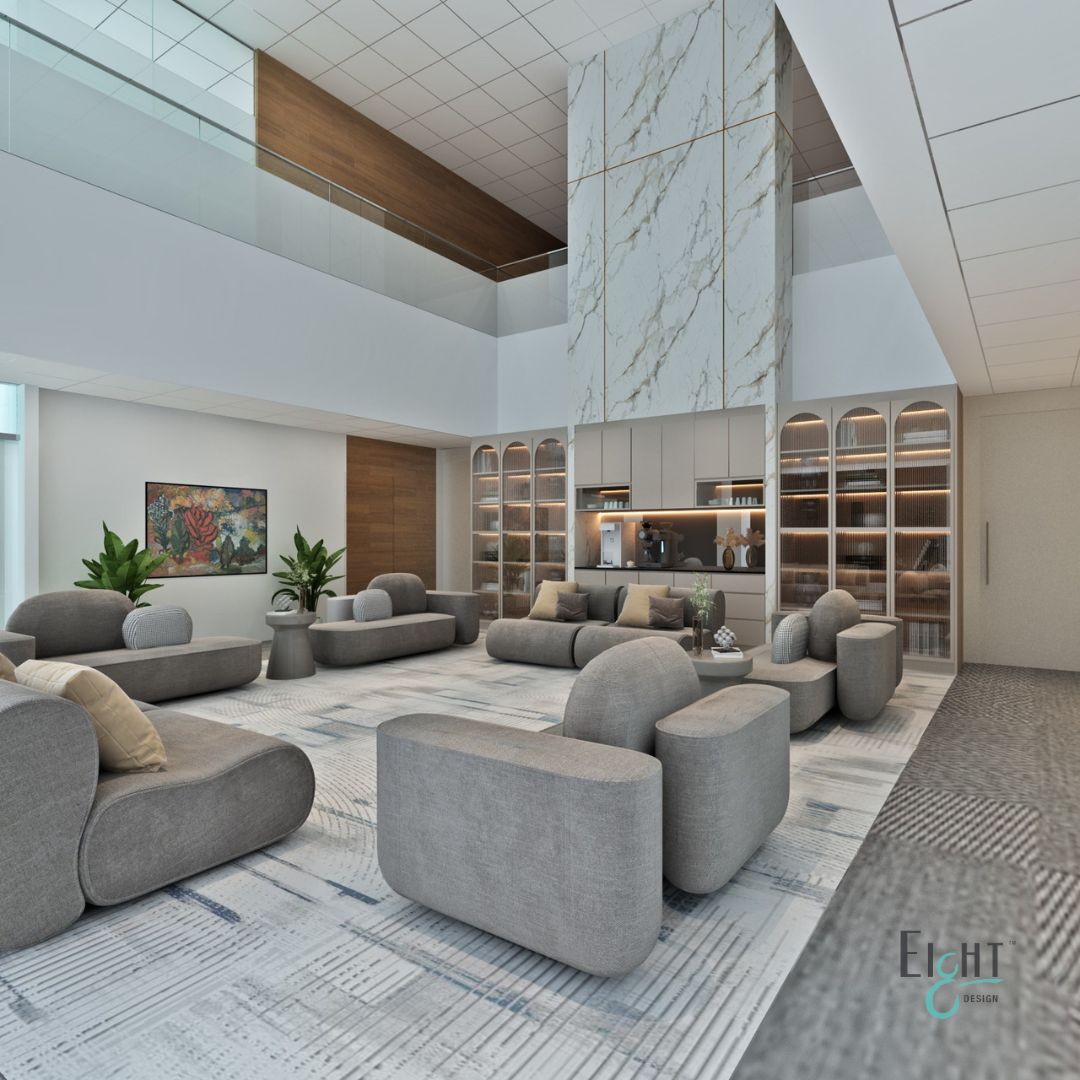
When the reception, lounge, communal spaces, and meeting rooms feel thoughtfully curated, that says something: that this business cares about its people, their experience, and their day‑to‑day. If your lounge looks like an afterthought, your staff will sense that, too. And design doesn’t just mean pretty; it means functional. Things like acoustic privacy, natural light, smart furniture, and intuitive circulation.
4. Flexibility and future‑readiness
Your business will change. Teams will expand or contract, hybrid working will evolve, and tasks will shift. If your space locks you into one mode, it becomes costly and stale quickly.
Practical steps you can take now
Some practical ways your workspace can support retention and create a positive, productive environment:
- Survey your team
Ask how the space works for them: what frustrates them, what they’d change. You may find surprising pain points (e.g., noise distractions, lack of walk‑in collaboration space, poor lighting).
- Define outcomes, not just aesthetics
We’re not talking about “let’s make this look cool” but “let’s make this feel right for how we work”. That might mean acoustic pods, informal brainstorming hubs, quiet corners away from the buzz. And yes, in‑house carpentry makes a renovation impact; those custom joinery solutions often tie the space together in subtle but powerful ways.
- Prioritise human‑centric features
Height-adjustable desks, natural light access, greenery, quiet zones, and clear circulation. In Singapore’s tropical climate, ventilation, humidity, and comfort matter a lot: your people should feel energised, not drained.
- Think culture, not just layout
The space should reflect your brand, values, and team identity. Use thoughtful materials, colours, and engaging communal areas. Make the space one where people choose to spend time, rather than one they simply endure.
- Partner with the right specialist
Working with an experienced office fit‑out partner or an office renovation company in Singapore brings results. They’ll advise on Singapore‑specific considerations (from regulations to HVAC, to sustainability) and help you avoid common pitfalls.
Why this matters for retention
When someone considers leaving a company, often it’s not just about pay or role but about whether they feel supported, valued, and believe their environment enables them to succeed. A workplace that feels outdated or ill‑fitting communicates that the status quo is acceptable.
In contrast, a space that is designed with purpose, that flexes with the work, and that cares for their health and sense of belonging, says: “We’re here for you. We believe in this place and your role in it.”
Where employees may give hybrid work and flexible options higher weight, your office becomes a differentiator: a reason to stay.
A long‑term value lens
Choosing to invest in your workspace isn’t just about the immediate wow‑factor. It’s about long‑term value. The design that supports collaboration, wellness, and adaptability becomes a lasting asset. In Singapore’s premium real‑estate market, making the most of your space counts twice: for today’s talent and tomorrow’s growth.
It’s also worth remembering: when design is done without purpose, you risk redoing it in a few years. But when done with strategy and expertise, it can serve you for a decade or more.
If you’re ready to explore how your space could better support your team, enhance retention, and elevate your business, contact us at Eight Design. Our team would be pleased to show how thoughtful design can translate into real‑world impact.