


Have you ever heard someone say, “I can just get a contractor, why do I need an interior designer?” It’s a common misconception. Many people confuse interior designers with decorators, renovation contractors, or even architects. In fact, some assume that interior designers simply “make things look pretty.” But there’s far more to the job than choosing paint colours or arranging furniture.
Others believe that hiring an interior designer is only for the wealthy or for high-end commercial spaces. Some homeowners may think that design is a “nice-to-have,” not a necessity. The truth is, interior designers play a critical role in shaping spaces that are functional and beautiful, whether you’re transforming a compact HDB flat, a landed property, or a modern office. Their expertise helps you avoid costly mistakes, optimise every inch of your space, and bring your vision to life with professional precision.
More than just decoration
At its core, interior design is about problem-solving. Designers make spaces work for the people who live or work in them. From understanding your lifestyle and routines to choosing materials that stand up to daily use, interior designers are trained to balance aesthetics with practicality.
For instance, a good designer will know how to make a small BTO flat feel more spacious without knocking down walls. They consider how natural light moves through a room, where electrical points should go, and how furniture placement affects movement flow. They also pay attention to acoustics, ventilation, and even ergonomics – details that most homeowners might not think of until it’s too late.
In commercial settings, interior designers go a step further by creating environments that influence productivity and customer experience. BCA Singapore states that well-designed, green workplaces can boost health and well-being. Whether it’s an open-plan office or a boutique café, design choices affect how people feel and function in a space.
The behind-the-scenes process
Engaging professional interior design services in Singapore involves much more than mood boards and sample swatches. Designers work closely with clients through several key stages:
1. Consultation and concept development

This is where it all begins. Your designer will sit down with you to understand your goals, needs, and budget. They’ll ask questions about your lifestyle, habits, and how you use each room. For businesses, this might include discussing brand identity and workflow. Based on your input, they’ll start developing design concepts that fit your vision.
2. Space planning and design proposal
Once the concept is approved, the designer creates detailed floor plans and 3D renderings. This stage ensures every element, from furniture layout to lighting placement, is thoughtfully considered. Good space planning helps you avoid awkward layouts and maximises usability.
3. Material and colour selection
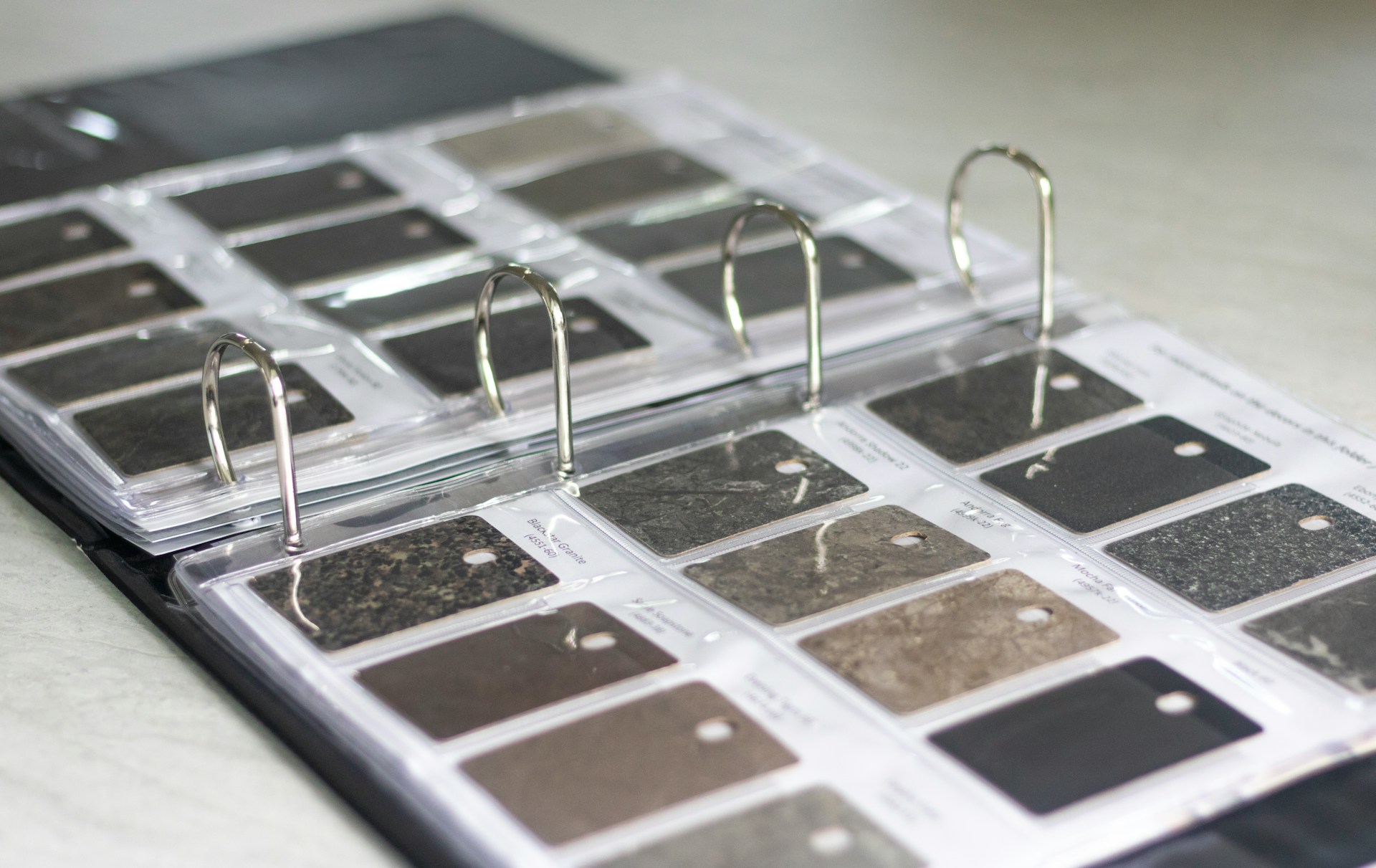
Designers help you choose finishes, colours, and materials that suit both your aesthetic preferences and practical needs. In humid climates like Singapore’s, for instance, materials must be durable and resistant to mould or warping.
4. Coordination with contractors
Interior designers act as project managers, liaising with contractors, electricians, and carpenters to ensure your project runs smoothly. They oversee timelines, quality control, and site progress, so you don’t have to juggle multiple contacts.
5. Execution and styling
Finally, the design comes to life. The designer supervises installation and ensures the finished space matches the proposed vision. They may also assist with styling, adding those final touches like art, décor, and lighting adjustments that make a space feel complete.
Why interior design matters for everyday living
A well-designed space doesn’t just look good; it can improve your quality of life. When your home or office is thoughtfully planned, you feel more relaxed, focused, and inspired. Designers take into account psychological and emotional factors, like how colours can affect mood or how lighting can influence sleep.
In Singapore, where living spaces are often compact, interior design plays a crucial role in creating efficiency and comfort. Clever storage solutions, multi-purpose furniture, and spatial zoning can make even the smallest homes feel airy and organised. For example, a designer might turn a narrow hallway into a study nook or create built-in storage that doubles as seating.
And when it comes to sustainability, many designers today are integrating eco-friendly materials and energy-efficient lighting into their projects. This not only reduces environmental impact but can also help you save on utility costs in the long run. The Singapore Green Building Council provides useful insights into how sustainable products, materials, and designs contribute to healthier indoor environments.
It’s not just about homes
While many associate interior design with residential projects, it’s equally vital for commercial and public spaces. From retail stores that draw customers in, to offices that reflect corporate culture, and hospitality spaces that enhance guest experiences, interior design shapes how people interact with the built environment.
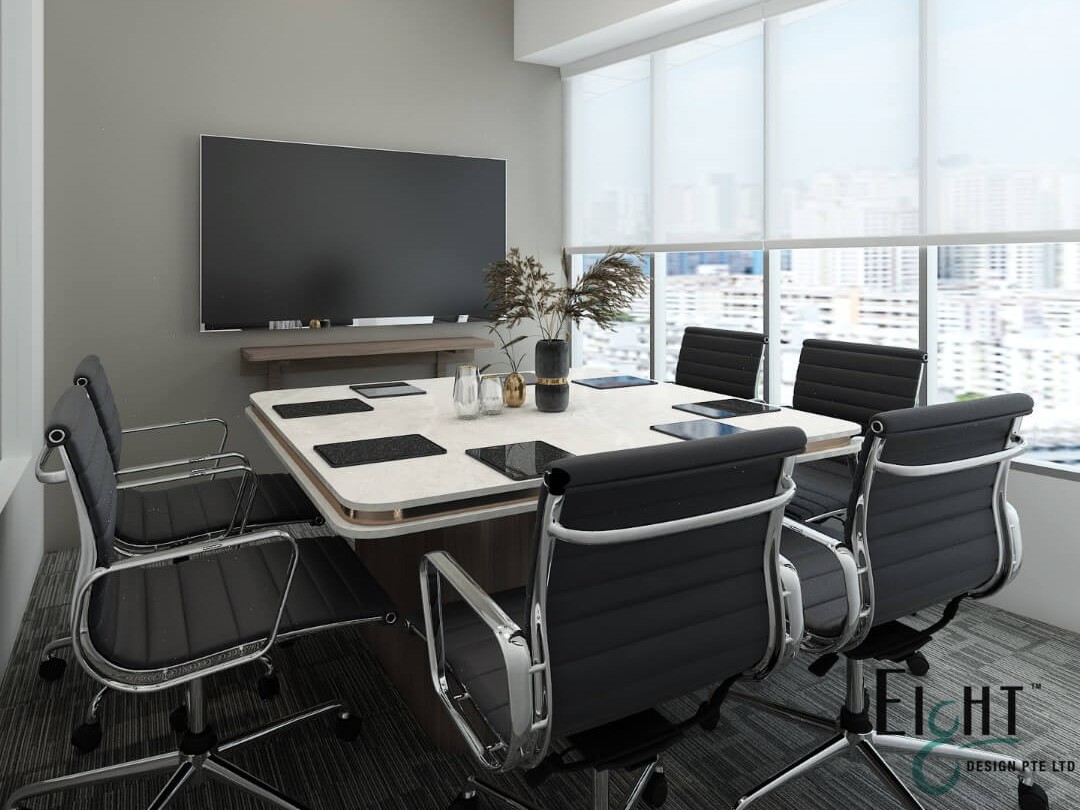
Think about your favourite café in Singapore. The comfort of the seating, the lighting that makes your latte look perfect, the placement of the counter – all of it is deliberate. These details are what make you feel comfortable and keep you coming back. That’s the power of good design.
Interior design matters not just for offices and commercial spaces, but also for homes and when done right, it reflects who you are and what you stand for.
What sets professionals apart
Anyone can buy furniture or pick a wall colour. But what sets professional designers apart is their ability to combine creativity with technical skill. They understand design principles, building codes, lighting design, and ergonomics. More importantly, they know how to translate your ideas into reality within time and budget.
Professional designers are also familiar with Singapore’s building regulations, renovation permits, and safety standards. They work within frameworks set by agencies like the Housing & Development Board (HDB), ensuring your renovation is compliant and hassle-free.
This expertise can save you from renovation nightmares. Instead of managing multiple contractors and hoping for the best, you have a single point of contact who ensures every detail aligns with your vision. The result? A space that not only looks great but feels just right.
A space that reflects you
Your home or workspace is a reflection of your identity and aspirations. When you collaborate with a professional designer, you’re investing in functionality, comfort, and peace of mind.
Whether you’re redesigning your first BTO flat, renovating a commercial property, or refreshing a family home, working with an experienced design team can make all the difference. They’ll guide you through every decision, prevent costly errors, and deliver results that last for years.
If you’re ready to reimagine your space with confidence and creativity, view our portfolio to see how Eight Design has transformed homes and businesses across Singapore with exceptional interior design services and renovation expertise.