

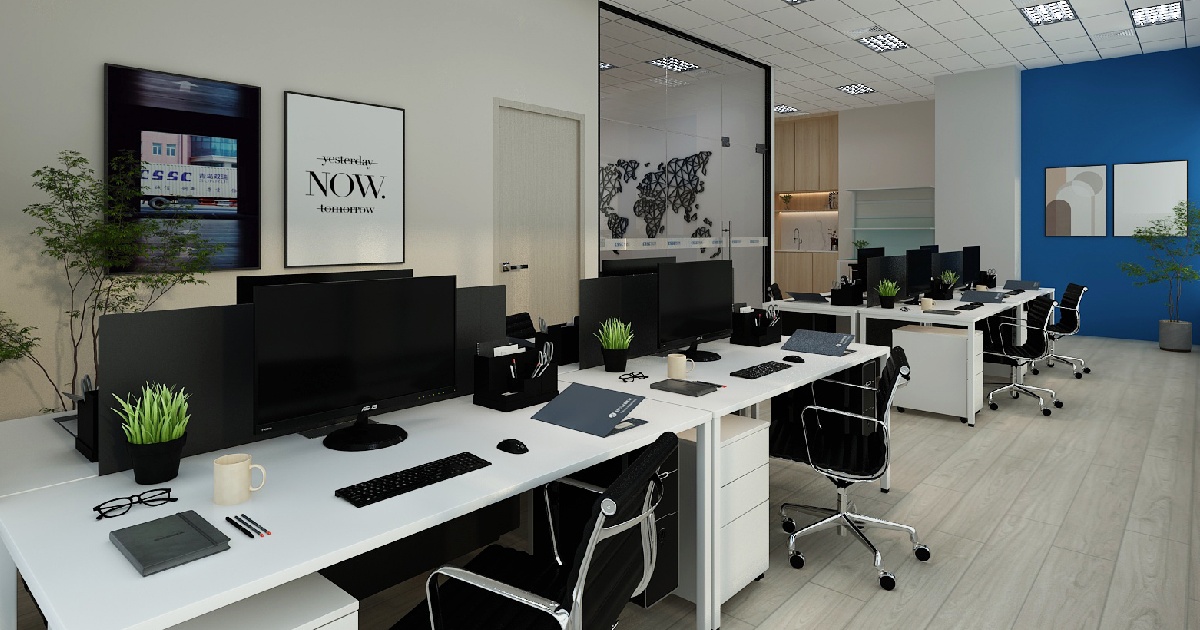
Employees in Singapore typically spend around 8 to 9 hours a day, five days a week, working at a desk, involving themselves in focused tasks, teamwork, and meetings. That’s a lot of time in the same environment, so naturally, the space they come into day after day has to support their productivity and their well-being. With COVID-19 restrictions now eased and face-to-face meetings with clients and colleagues very much back in force, the demands on an office environment have grown in visibility and importance.
In that light, the right layout, light, materials, acoustics, and flows in your workplace matter in more ways than one: you’re not just designing a room, you’re shaping a place where people meet, think, create, and represent your brand. As an experienced office renovation company in Singapore, we’ve seen how thoughtful design features can make a clear impact on performance, morale, and return on investment. Below are the design features every office should consider if you’re serious about maximising ROI through purposeful space.
1. Flexible zones for different modes of work
Since people aren’t always doing the same kind of work throughout the day, your office should cater for variety rather than a one-size-fits-all layout. There are times when someone needs to zone into deep focus, and other times when collaborative discussion or client-facing interaction is the priority. By including quiet pods, touchdown areas, open-collaboration zones, and meeting rooms, you help people flow naturally from one mode to another.
It’s worth noting that research shows when a workspace is tailored to how people actually work, productivity jumps: a study by Jones Lang LaSalle (JLL) found that after moving to a designed-for-purpose office, productivity scores (0-100) scale increased to 71 from 52.
In Singapore, designing for both individual and group needs is increasingly part of what good office design is.
2. Natural light, quality air & biophilic elements
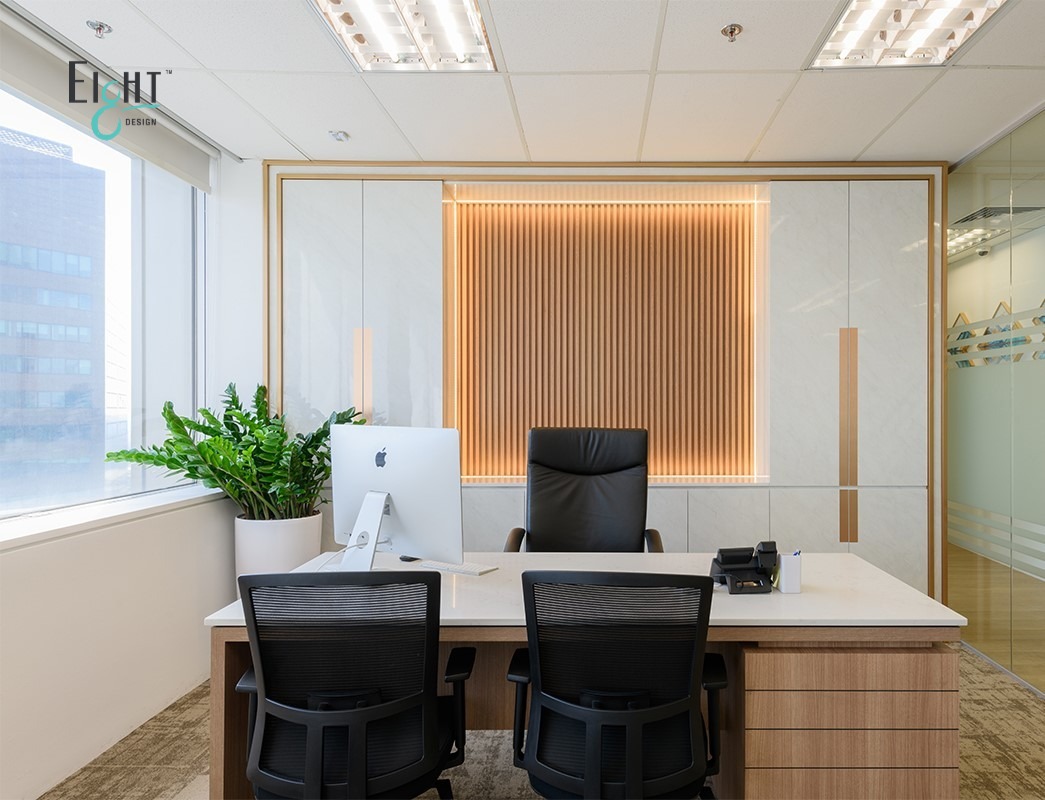
Well-being and productivity are closely intertwined. Your people spend many hours indoors, so light, air quality, and connection to nature all count. Natural daylight, greenery or plant elements, and proper ventilation help reduce fatigue and uplift mood, making it easier for teams to sustain high performance through the working day.
According to Singapore Business Review, many workers cite their workspace as a source of stress – better physical environments help relieve that.
By investing in these elements, you’re creating an office that invites people to do their best work, not just endure the day.
3. Clear client-facing spaces that reflect the brand
With client meetings back in full swing, your office is a stage for your brand. A well-designed, welcoming reception, an adaptable meeting room, and a pleasant breakout space create the right impression. When your environment aligns with your brand story, it enhances credibility, trust, and comfort. A smart client-facing space can help convert interest into action, building long-term value rather than being simply decorative. After all, interior design matters for offices. It’s a visual expression of how your business operates and how much it values quality.
4. Technology-enabled and adaptable infrastructure
Modern teams need more than desks and chairs: seamless connectivity, comfortable a/v setups, charging infrastructure, and flexible furnishings all matter. Having technologies integrated (e.g., smart meeting rooms, bookable spaces, hybrid-meeting capabilities) ensures the space works for today’s mixture of in-office and remote/hybrid working.
Alongside that, having adaptability built into the furniture, partitioning, and branding means the space can be refreshed or repurposed as the business evolves, keeping cost-effectiveness high.
5. Ergonomics, acoustics, and comfort
These often invisible features make a very visible difference over time. Ergonomic chairs and desks reduce physical fatigue and discomfort, while good acoustics (sound-absorbing panels, smart layouts) prevent noisy distractions. A well-designed acoustic environment supports both conversation and concentration. Since employees are in the same environment for long periods each week, the cumulative effect of discomfort or distraction is significant.
6. Employee well-being features
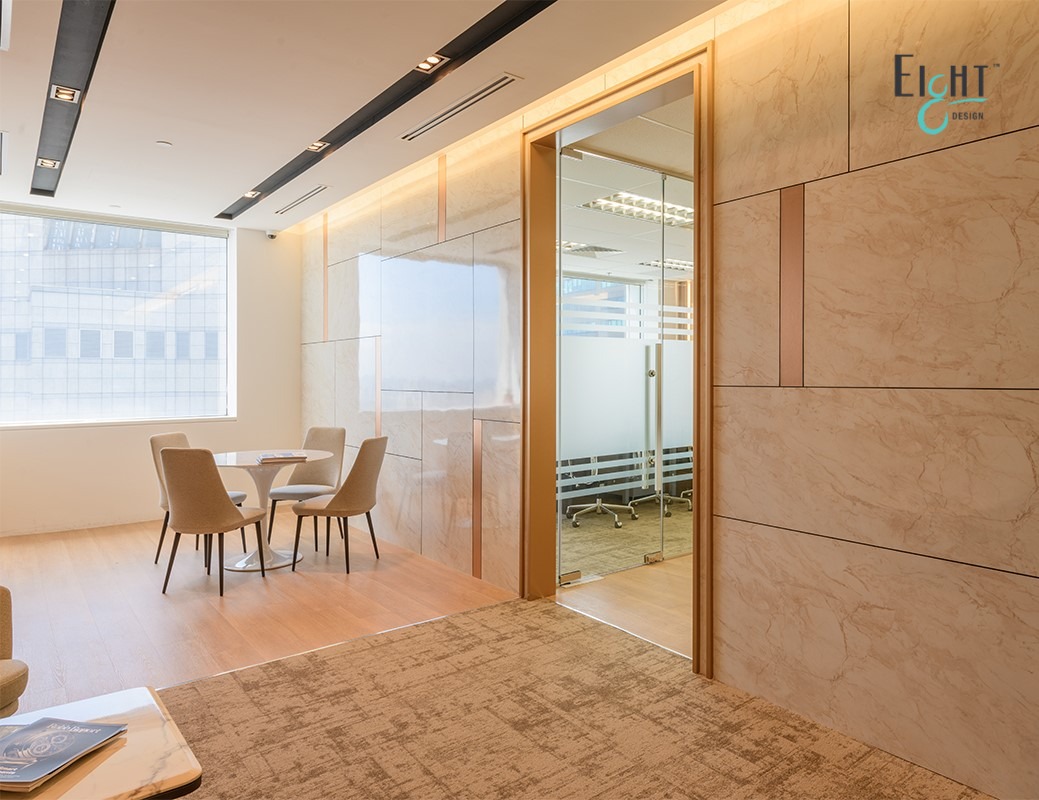
Sustainable ROI comes from attention to the people who use the space. Features such as a well-equipped staff pantry, breakout zones, informal lounge areas, and even a quiet room or nap-rest space (depending on your culture) boost morale and can reduce burnout. In Singapore specifically, data from The Straits Times show that 1 in 3 workers feel physically or mentally exhausted by their work.
When the office actively supports well-being, you retain talent, reduce absenteeism, and nurture higher engagement, all of which positively impact your bottom line.
7. Sustainable finishes and maintenance-friendly design
Choosing finishes that are durable, easy to maintain, and sustainable saves money over time. There is less downtime, repair or replacement, plus an improved experience for occupants. Also, more companies and stakeholders are valuing ESG-friendly design and materials. A workspace that looks good and performs well without high overhead amplification brings long-term return beyond just immediate aesthetics.
8. Clear way-finding, flow, and spatial efficiency
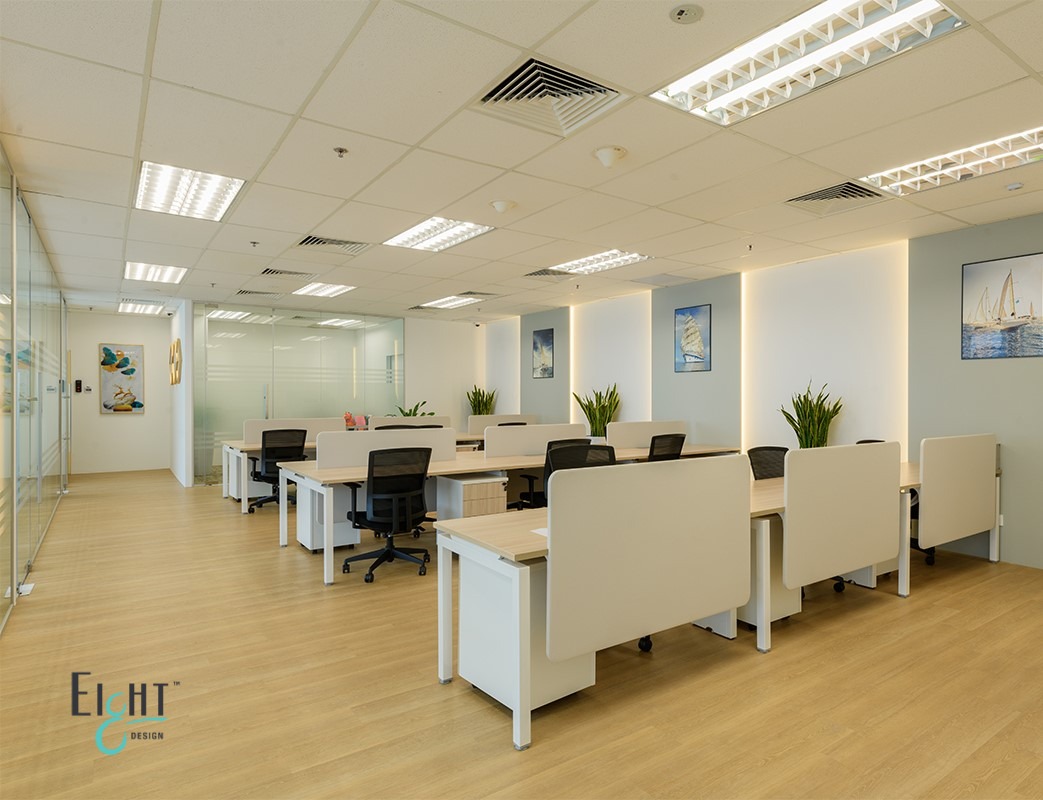
Poor circulation, cramped layouts, or confusing flows cost productivity. Ensuring that your office layout makes sense, such as making sure it’s easy to move between spaces, the reception is intuitive, meeting rooms are easily accessible, and staff zones are clearly delineated, means less wasted time. Good spatial efficiency can allow you to do more with less area (or use your existing area more effectively), improving cost-per-seat metrics and reducing overhead. In an expensive market like Singapore, this is particularly valuable.
9. A culture-reflective environment
Beyond physical features, your design should reflect the culture you want to nurture. If your business emphasises innovation, flexibility, and collaboration, your space should mirror that. If your brand is professional and client-centric, then the design should reflect clarity, consistency, and comfort. It helps anchor your employee experience and your client experience. While it might sound obvious, putting careful thought into every design choice ensures your space aligns with your purpose, your people, and your performance goals.
10. Measurable outcomes and feedback loops
Finally, to drive ROI, you must measure. Establish before-and-after benchmarks (e.g., utilisation of meeting rooms, staff engagement, client feedback, operational cost savings) and keep feedback loops open. If you’re working with an office renovation company, ask how they will help you track outcomes. The stronger the feedback and adjustment loop, the stronger your return.
Making the change: From planning to impact
When you’re considering a revamp or move, start with these steps:
1. Map current usage patterns: Where do people spend time, where are the bottlenecks?
2. Define key performance indicators (KPIs): Utilisation, staff satisfaction, client impressions.
3. Engage a trusted partner: A certified office renovation company will guide you through layout, compliance, local procurement, and timelines.
4. Prototype where possible: Consider pilot zones or furniture trials before full rollout.
5. Communicate with staff: People will feel more engaged if they understand the why and see their feedback incorporated.
6. Monitor, review, and refine: Use data and feedback to adjust, making sure your space continues to serve evolving needs.
Every design decision, from the shape of a meeting room to the type of lighting over a workstation, contributes to how people feel, collaborate, and perform. When done well, the environment becomes not just a cost centre, but a growth driver: improving talent retention, client perception, operational efficiency, and, ultimately, business performance.
If you’re ready to create an office that does more than just look good, contact us for a custom quote. We provide exceptional interior design services, helping you build a workspace that delivers long-term value.