


Many Singaporeans dream of transforming their flats or houses into stylish, comfortable spaces, but when it comes to costs, things can get a little fuzzy. Ask around, and you’ll likely hear different figures from friends or renovation forums, leaving you wondering: what exactly goes into those design fees?
Interior design in Singapore can range widely in cost, depending on the designer, the size of your space, and how much work is needed. Yet, many homeowners find themselves unsure of where their money actually goes. Beyond the obvious, like carpentry, flooring, or lighting, interior design fees often cover a lot more than just materials and labour. So, when you hire a professional designer, what are you really paying for?
1. Professional expertise and experience

Interior designers don’t just make spaces look good; they make them work. Their expertise lies in balancing aesthetics with practicality. A good designer understands spatial planning, building codes, lighting design, and ergonomics. They think through details you might not even notice until you move in, such as outlet placement, walkway flow, or furniture proportions.
In Singapore, this level of expertise is particularly important given the tight layouts of most HDB flats and condominiums. Designers know how to optimise limited space while ensuring it still feels open and inviting. They can also navigate regulations from the Housing & Development Board (HDB) or Building and Construction Authority (BCA), saving you from costly mistakes or renovation delays.
What you’re paying for, in short, is not just their eye for design, but years of experience that help you avoid costly errors and achieve results that last.
2. Time, coordination, and project management
Renovation is not a one-person job. It involves multiple parties like carpenters, electricians, plumbers, tilers, and suppliers, all working on tight deadlines. A professional interior designer acts as your project manager, ensuring every element runs smoothly and on schedule.
Without this coordination, renovation projects can quickly spiral into chaos. Managing multiple vendors on your own often leads to miscommunication or delays. Designers, on the other hand, have established relationships with trusted contractors and know how to sequence tasks efficiently to avoid downtime.
You’re also paying for their time – countless hours spent on planning, site visits, and troubleshooting when issues arise. It’s this behind-the-scenes management that often goes unnoticed but makes a difference in ensuring your renovation stays stress-free.
3. Custom design and space planning
Every home has a different story, and interior designers are storytellers who use layout, materials, and lighting to express it. Custom design is one of the most valuable parts of hiring a professional. Instead of cookie-cutter templates, you get solutions tailored to your lifestyle.
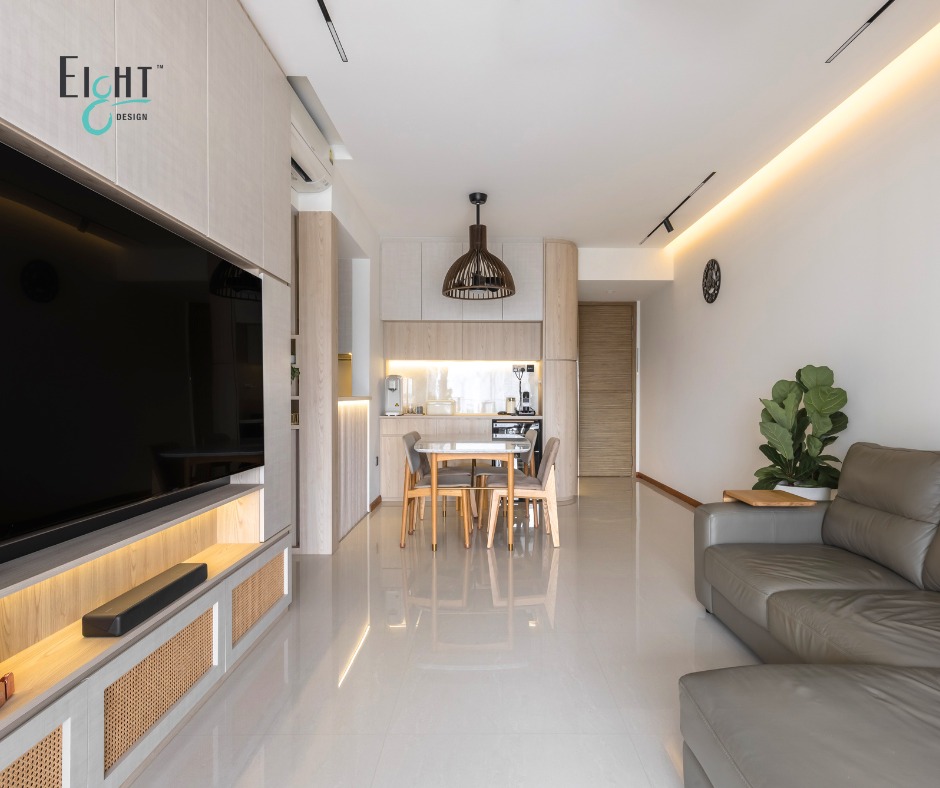
For instance, a young family may prioritise durable surfaces and hidden storage, while a working couple might want a minimalist design that’s easy to maintain. Designers use their knowledge of trends, materials, and functionality to create layouts that fit your daily routines.
Space planning is another often-overlooked factor. A well-planned layout can make a small flat feel significantly larger, improving flow and comfort. That’s the value of an interior design upgrade for your home, one that enhances not just appearance but everyday living.
4. Design concept and visualisation
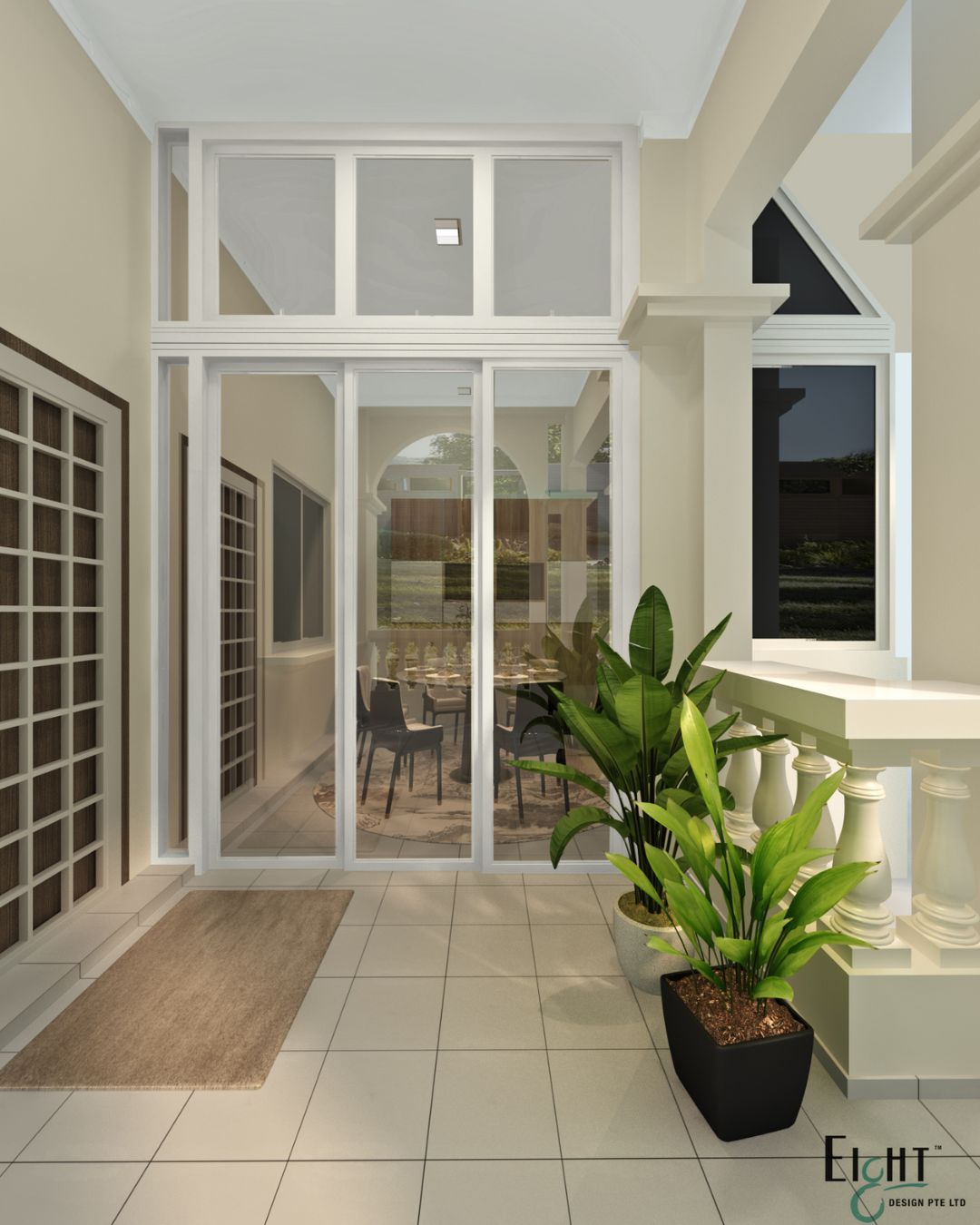
Before any renovation starts, designers help you see your space through 3D renderings or mood boards. These visuals are essential tools to help you imagine how colours, textures, and furniture will come together.
Many homeowners underestimate how much time and thought go into developing these concepts. Designers experiment with different styles, test materials, and refine details until the final design feels cohesive and practical.
With the help of professional software, they also ensure that what’s visualised can actually be built, a balance between creativity and feasibility. It’s an early-stage investment that prevents last-minute changes and regret once the renovation is complete.
5. Quality control and workmanship
When you engage interior design services in Singapore, you’re not just paying for design but for peace of mind. Designers take responsibility for quality control, ensuring materials and finishes meet expected standards.
They inspect progress regularly, flag issues early, and verify that installations match the design plan. For homeowners, this means fewer defects, less stress, and better overall workmanship.
Reputable design firms often work with reliable contractors and suppliers, using materials that meet safety and durability standards. It’s their reputation on the line, after all, so maintaining quality is non-negotiable.
6. Access to trusted resources and trade discounts
Interior designers have access to a network of vendors and suppliers that may not be available to the public. This includes unique materials, furniture pieces, or lighting options that can elevate your space.
Many firms also enjoy trade discounts, which can offset part of your design fees. So while you may pay more upfront for a designer, you could end up saving on furnishings or finishes that would otherwise cost retail price.
More importantly, designers know where to source high-quality items that suit Singapore’s humid climate and compact spaces. This insider knowledge ensures you’re investing in pieces that last, not just look good for a year or two.
7. Compliance and safety
Renovation work in Singapore must comply with HDB and BCA regulations, especially for hacking, electrical rewiring, and plumbing. Professional interior designers know these rules inside and out. They’ll handle the paperwork and liaise with authorities or contractors to ensure everything is approved before work begins.
This helps you avoid penalties or having to redo unauthorised works, which can be both costly and time-consuming. In a country where housing regulations are taken seriously, compliance isn’t just a formality, but essential for your safety and peace of mind.
8. Post-renovation support
Once the dust settles, your designer’s job isn’t quite over. Many firms provide post-renovation support, including touch-ups, defect checks, or warranty follow-ups.
This aftercare ensures your home continues to meet the design intent long after handover. Should anything go wrong, like a loose hinge or faulty light fitting, you have a single point of contact instead of chasing multiple vendors.
That’s the unseen value of professional design services: accountability. When someone is invested in your home from start to finish, it shows in the results.
A design partnership worth investing in
Hiring an interior designer is often viewed as an added expense, but it’s more accurate to see it as an investment in expertise and long-term satisfaction. You’re paying for confidence and craftsmanship that stand the test of time.
As a licensed HDB renovation contractor and RCMA-certified team, Eight Design combines professional credentials with practical know-how to deliver interiors that balance style and usability. Partnering with the right designer shapes the way you experience your home. Reach out to Eight Design to discover how carefully crafted, well-executed interiors can transform both the look and feel of your space.