

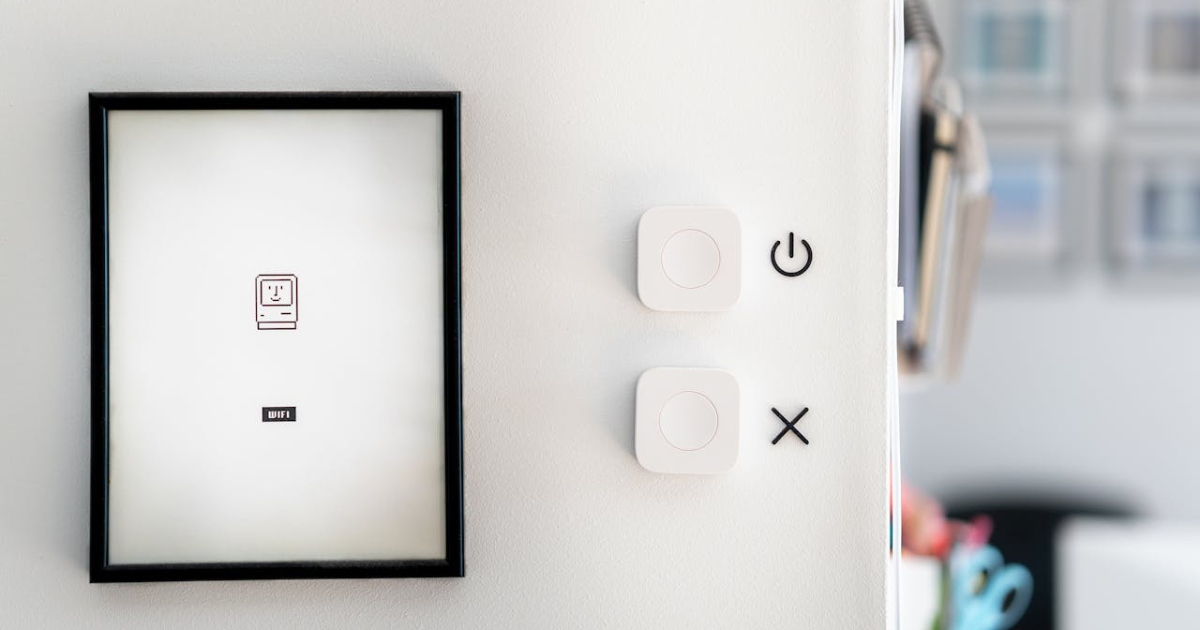
Homes today are expected to do more than look good. By 2026, more individuals and families in Singapore will be actively exploring smart homes, not because it sounds futuristic, but because daily life has become busier. Long work hours, hybrid schedules, and multi-generational living mean convenience is no longer a luxury. People want their homes to support them quietly in the background.
Smart living answers that need. Instead of juggling switches, remotes, and routines, homeowners are looking for simple systems that reduce friction. A home that adjusts lighting automatically, cools rooms efficiently, and responds to a tap or voice command feels less like technology and more like common sense.
1. Smart homes simplify everyday routines, not complicate them
One of the biggest misconceptions about smart homes is that they are difficult to use. The reality is the opposite. Well-planned smart living reduces the number of decisions you make each day.
Lighting that turns on gently in the morning, air-conditioning that cools only occupied rooms, and scenes that prepare your home for rest or work can all be automated. These changes are subtle, yet they add up. You save time, mental energy, and frustration, especially during busy mornings or late evenings. For many Singapore households, this is the smart home feature you’ll wish you had sooner. It does not shout for attention, but once you experience it, going back to manual controls feels inconvenient.
From a renovation perspective, smart planning works best when it is integrated early. Whether you are engaging an HDB BTO contractor or renovating a resale flat, wiring and system planning during renovation ensures the technology blends seamlessly into the home instead of feeling like an afterthought.
2. Energy efficiency becomes automatic, not effort-based
Energy costs and sustainability concerns continue to shape renovation decisions. According to Singapore’s Energy Market Authority (EMA) and SP Group, household electricity consumption has steadily increased as more people work from home, driven by the circuit breaker in 2020.
Smart living helps manage this without constant monitoring. Automated systems ensure lights switch off when rooms are unused, and air-conditioning operates only when needed. Timers, sensors, and usage tracking reduce waste quietly, without requiring daily effort from homeowners.
This matters even more in compact urban homes, where cooling and lighting account for a significant portion of monthly bills. Instead of reminding family members to switch things off, the system does it consistently and reliably.
3. Control stays centralised and intuitive
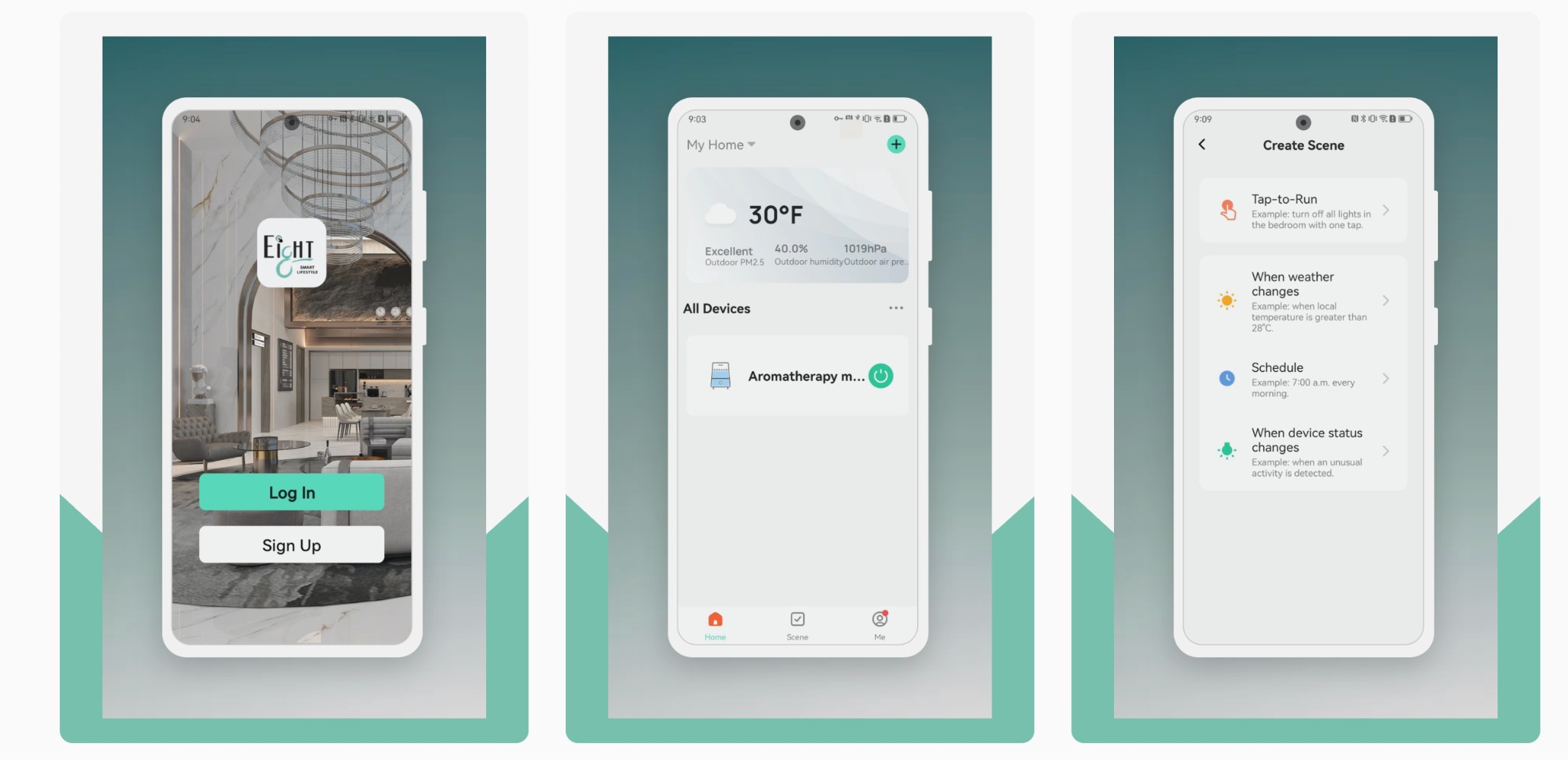
A common frustration in renovated homes is having too many disconnected systems. One app for lighting, another for air-conditioning, and manual switches everywhere else. True smart living avoids this fragmentation.
With our Eight Smart system, for example, homeowners can control lighting, air-conditioning, and scenes directly from a single app or a discreet wall panel. This makes home management effortless, even for those who are not tech-savvy. Instead of learning multiple interfaces, everything sits in one place.
The system is also compatible with voice control platforms like Amazon Alexa. Simple commands allow you to activate routines, adjust lighting, or cool a room without lifting a finger. This is especially helpful for families with children, elderly parents, or anyone who values accessibility and ease of use.
Centralised control also future-proofs the home. As needs change, new scenes or schedules can be added without redoing the entire setup.
4. Smart living adapts to how Singaporeans actually live
A smart home should reflect real habits, not force new ones. In Singapore, homes often serve multiple roles. Living rooms double as workspaces, dining areas, and family zones. Bedrooms may need to support both rest and late-night productivity.
Smart scenes make these transitions smooth. One tap can shift the home from work mode to evening wind-down, adjusting lighting warmth, cooling levels, and ambience instantly. These changes support well-being without requiring constant manual adjustments.
This flexibility is particularly valuable in BTO flats and condos, where space is limited, and every zone has to work harder. Smart living helps spaces adapt instead of asking homeowners to compromise.
5. Long-term value goes beyond convenience
Smart homes are often discussed in terms of lifestyle, but they also make sense financially. Buyers today are increasingly aware of smart features, especially younger homeowners who grew up with connected devices. A well-integrated system signals that the home is modern, efficient, and well-planned.
More importantly, smart living reduces wear and tear. Controlled lighting, efficient cooling, and automated schedules help systems operate optimally, which can extend their lifespan over time.
From a renovation standpoint, working with professionals who understand both design and smart systems ensures the home remains relevant for years. Instead of trendy gadgets that age quickly, the focus stays on practical infrastructure that supports daily living.
A smarter way to live, designed with intention
Smart living works because it respects how people actually live. It does not demand constant attention or technical know-how. When done well, it quietly improves comfort, efficiency, and flow, making everyday routines smoother.
At Eight Design, smart systems are approached as part of the overall renovation strategy, not an add-on. By aligning interior design services with practical technology, homes are built to deliver long-term value, not short-term novelty.
If you are considering a renovation that supports smarter living without unnecessary complexity, request a consultation to explore how thoughtful design and smart integration can work together seamlessly.