

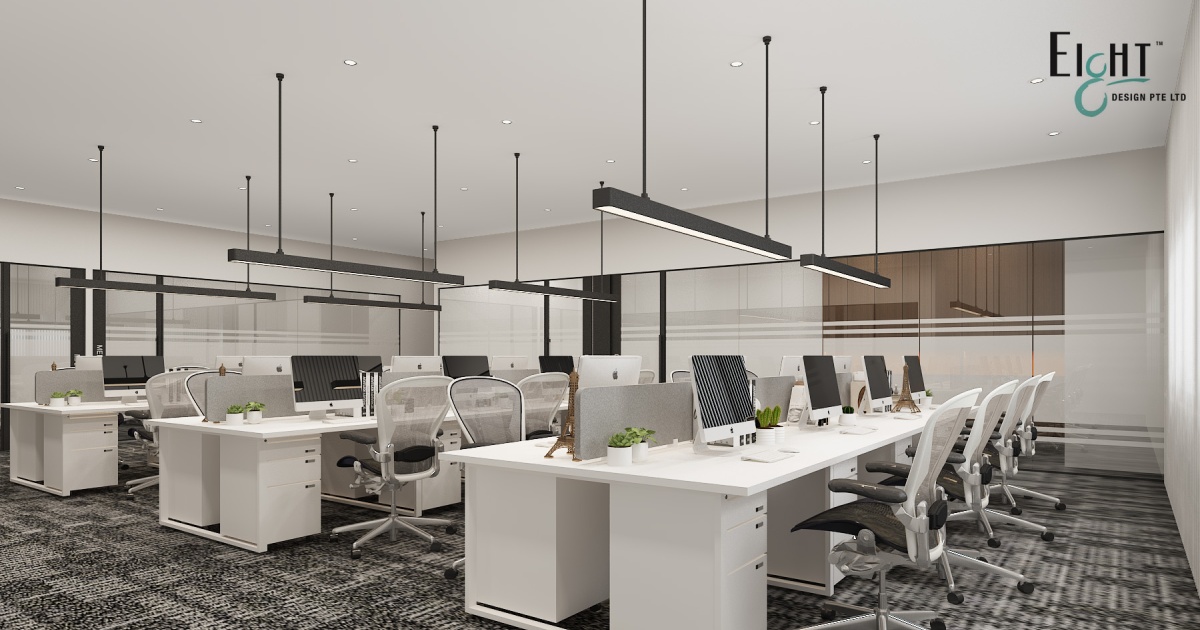
The way Singapore businesses use their offices has quietly undergone a significant shift. Where every employee once had a dedicated desk, today’s workplace looks quite different. Hybrid work arrangements have become the norm rather than the exception, and companies are waking up to the fact that a fully assigned 1:1 desk model may no longer reflect how their teams actually work.
According to CBRE’s 2024 Asia Pacific Office Occupier Sentiment Survey, the proportion of companies maintaining a 1:1 desk ratio or lower is expected to decrease to just 32% by 2026, as desk sharing steadily rises. For businesses in Singapore’s CBD, every square foot carries real weight. Right-sizing your office is no longer just smart. It is essential.
What does a 32% desk ratio actually mean?
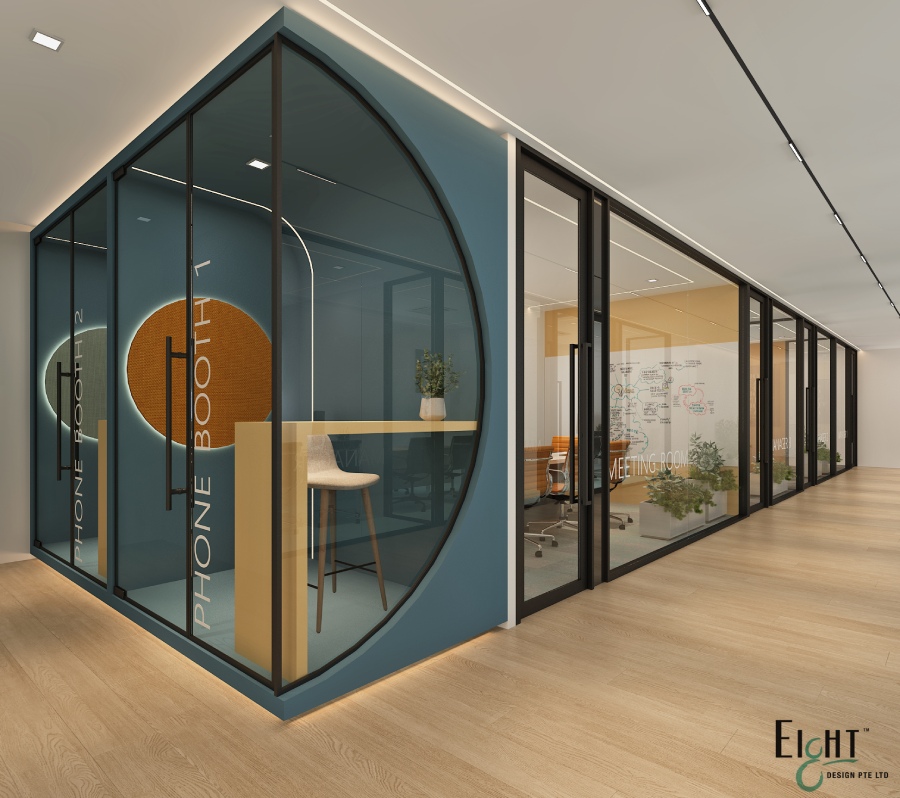
Put simply, a 32% desk ratio environment means that by 2026, fewer than one in three companies will maintain one desk per person. The rest will operate on a shared or hot desking model, where desks are allocated by availability rather than by individual ownership.
This might sound like a recipe for chaos, but when designed thoughtfully, it works remarkably well. Unassigned seating, including hot desking and activity-based working, alongside more collaborative spaces, are emerging as effective ways to boost workplace efficiency across Asia Pacific. The key word here is designed. Slapping a hot desking policy onto an unchanged floor plan rarely goes well. Genuine right-sizing requires a deliberate rethink of how your space is laid out and what your teams actually need from it.
This is where working with an experienced office renovation company in Singapore becomes genuinely valuable. The shift to shared desking is about reimagining circulation, storage, acoustic comfort, and the balance between focused and social spaces.
The data behind the shift
Before diving into design strategy, it helps to understand why this change is happening now. Before hybrid work became widespread, typical office attendance was relatively consistent from Monday to Friday, and desk sharing ratios sat in the 1:1.1 to 1:1.3 range. The dramatic increase in sharing ratios from 2024 to 2025 is a direct consequence of hybrid work patterns.
In Singapore specifically, staff-to-desk sharing ratios are set to increase as more companies adopt flexible seating and hybrid working. At the same time, 70% of companies in Asia Pacific still want employees in the office at least three days a week, with half aiming for a full five-day week. This combination creates a planning challenge that requires nuance. You need enough desks to handle peak days (typically Tuesdays and Wednesdays), while not paying rent on rows of empty workstations on quieter Fridays.
Designing for how people actually work
Right-sizing is not simply about reducing desk count. It is about creating a workplace that genuinely serves your team across different types of work, whether you favour an open plan or private office approach, or something in between.
Here are the core design principles to guide your planning:
- Understand your actual attendance patterns first – Before moving a single partition, gather data on how your team uses the office. Which days see peak attendance? What kinds of tasks do people come in to do; focused solo work, collaborative sessions, or client meetings? This insight will shape every spatial decision that follows.
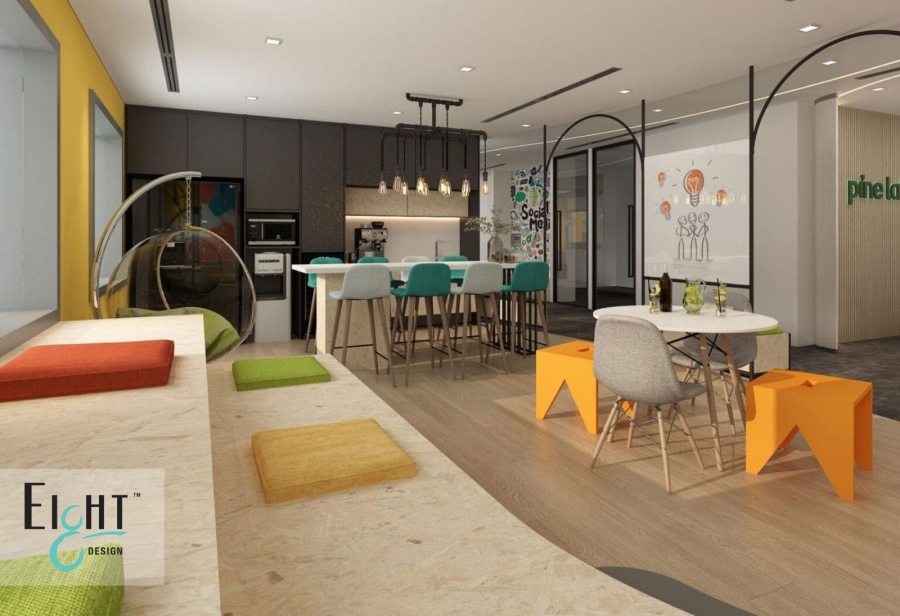
- Design zones, not just desks – A well right-sized office typically includes distinct zones: a quieter focus area for deep work, a more social collaboration hub, and transition spaces in between. Collaborative spaces are increasingly enclosed to support small group communication and connection to virtual colleagues, while the provision of high-spec technology in these spaces is becoming especially critical.
- Plan for storage differently – When desks are no longer permanently assigned, personal storage needs to move off the desk and into dedicated lockers or personal pods. Good locker design can actually improve the overall feel of a floor.
- Do not underestimate acoustics – Hot desking environments can become noisy if not carefully considered. Acoustic panels, soft furnishings, and strategic placement of collaboration zones away from focus areas make a significant difference to comfort and productivity.
- Invest in booking technology – Room-booking software that helps manage limited space availability for a hybrid workplace is a top priority for 64% of companies. A good desk reservation system prevents frustration on peak days and gives you real utilisation data over time, helping you refine the design further.
What to watch out for
Right-sizing done poorly can backfire. If employees arrive to find no available desks or feel that the office has become impersonal and uninviting, attendance can drop, defeating the purpose of the exercise. Businesses need to take a fresh look at how they assess and understand office usage so they can plan both present and future space requirements more accurately. As hybrid working continues to create fluctuating attendance levels, the workplace should remain lively and functional during quieter periods, while still being able to support peak occupancy without affecting comfort or productivity.
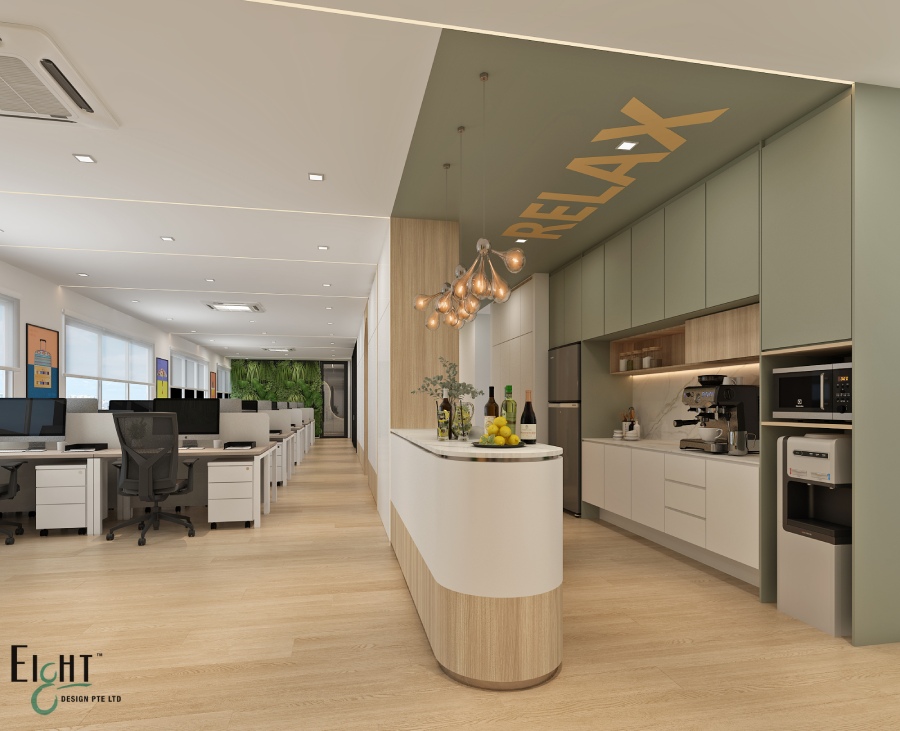
This means the design brief cannot just be about reducing square footage. It must also prioritise experience, the sense that the office is a place worth coming to. Quality finishes, good natural light, comfortable breakout zones, and reliable technology all contribute to an environment that draws people in rather than one they merely tolerate.
How much space do you actually need?
Approximately 51% of companies indicate a preference for a workspace of 75–125 square metres per employee, and workspace per employee is expected to stabilise in the coming years as space utilisation rates reach a steady state. That said, the right number for your business depends on your specific team size, work patterns, and the types of spaces you prioritise. A structured space audit can give you a clear picture of your actual requirements versus your current footprint. This is the foundation of a smart right-sizing project.
Making your office work harder for you
The 32% desk ratio benchmark is not a target to hit but a signal of where the market is heading. For Singapore businesses, particularly those in the CBD paying premium rents, it represents a genuine opportunity to let your office work harder and smarter.
Right-sizing is not about making do with less. Done well, it means your team has access to the right kinds of spaces when they need them, your rental spend reflects actual usage, and your workplace becomes something your people genuinely want to show up to.
If you are thinking about how this applies to your own office, view our portfolio at Eight Design to see how we have helped businesses across Singapore rethink and renovate their workspaces, with results that balance efficiency and comfort.