


Better sleep is the new luxury now. Busy schedules, long commutes, and constant digital stimulation have quietly shifted how Singapore residents think about their homes. A beautiful space is no longer enough on its own. People increasingly want interiors that help them recharge properly and support long-term well-being rather than just visual appeal.
Better sleep is also becoming the new measure of comfort now. Instead of designing homes purely around entertaining or aesthetics, many homeowners are prioritising calm environments that support rest and recovery. Across Singapore’s private developments, condo interiors are evolving to reflect this shift, combining thoughtful layouts and wellness-focused design decisions that work with the body’s natural rhythms rather than against them.
Why sleep has become a design priority in Singapore
Singapore is widely recognised as one of the world’s most sleep-deprived cities. According to Ikea’s 2025 global sleep report, individuals in Singapore fall short of their preferred sleep time by an average of 1 hour and 19 minutes every night, adding up to roughly 20 days of lost sleep annually.
Urban living plays a large role. Long work hours and frequent screen exposure mean many people struggle to switch off mentally. Government wellness resources also emphasise that sleep deprivation has reached the level of a public health concern locally.
Because of this, homeowners are starting renovations with a different question: not “How impressive will the space look?” but “Will this home help me rest better every night?” This mindset shift is influencing how every part of a condo is designed, from lighting placement to furniture selection.
Layouts designed to reduce mental noise
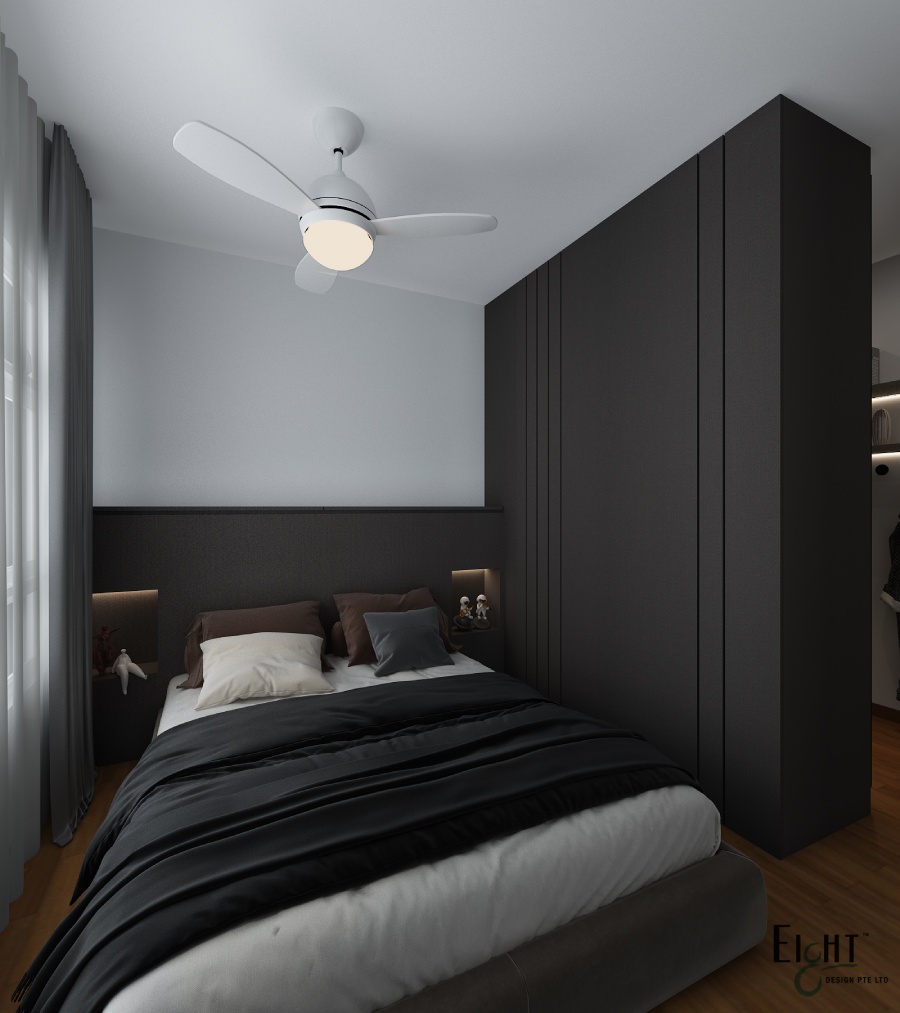
One of the biggest changes seen today is how layouts are planned. Modern condo interiors are moving away from overly segmented spaces or cluttered multifunctional zones that keep the brain alert.
A skilled condo interior designer often focuses on visual calm first. When spaces feel organised and intuitive, the mind processes fewer distractions before bedtime.
Common layout adjustments include:
- Clear separation between work and sleep zones, especially for work-from-home residents.
- Concealed storage to minimise visual clutter.
- Softer transitions between living and bedroom spaces.
- Reduced corridor congestion to improve airflow and movement.
Even small adjustments, such as repositioning wardrobes or reducing bulky furniture near beds, can help create a subconscious sense of calm.
Many homeowners start paying closer attention to how their living environment affects rest, especially when renovating with wellness in mind. As they explore different housing types, they often notice the difference between condo vs HDB interiors, particularly in terms of layout flexibility and renovation possibilities. Condos typically allow greater freedom in zoning spaces and adjusting layouts, which makes it easier to create dedicated sleep areas and calmer transitions between work, living, and rest zones. These design advantages give homeowners more opportunities to shape interiors around comfort and long-term well-being.
Lighting that works with your body clock
Lighting may be the single most influential factor in sleep-centred interior design. HealthHub highlights that exposure to bright screens and artificial light late at night disrupts melatonin production, making it harder to fall asleep. Designers are responding by planning layered lighting systems that mimic natural daylight patterns.
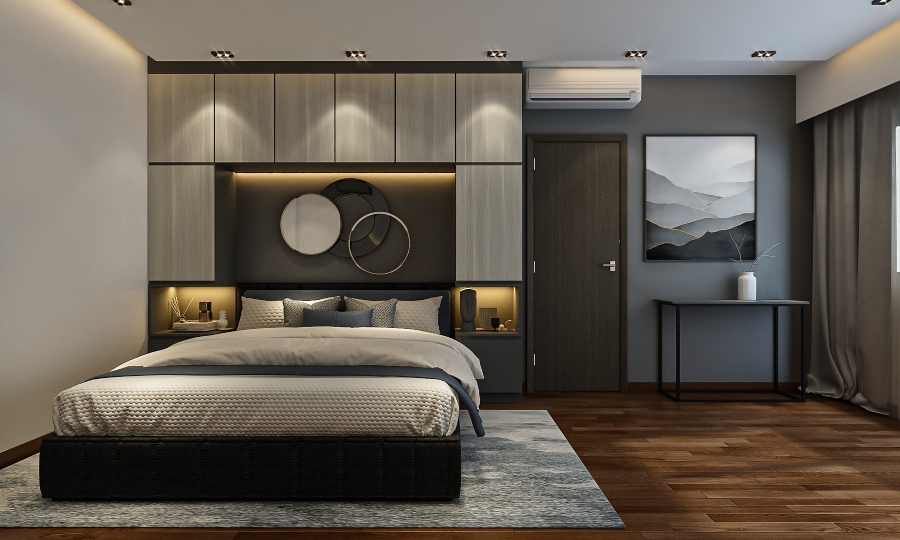
Instead of relying solely on overhead lights, newer condo designs incorporate:
- Warm ambient lighting for evening relaxation
- Indirect cove lighting that reduces glare
- Adjustable bedside lighting with lower colour temperatures
- Automated dimming systems aligned with evening routines
Daytime lighting matters just as much. Maximising natural light exposure during the day helps regulate circadian rhythms, which improves nighttime sleep quality. Large windows, sheer curtains, and reflective but soft finishes help distribute daylight evenly without creating harsh brightness.
Materials that encourage calm and comfort
Sleep-friendly interiors increasingly prioritise tactile comfort. Hard, glossy surfaces once associated with luxury are being balanced with warmer textures that feel grounding. Popular material choices in condos now include:
- Engineered wood flooring instead of cold tiles in bedrooms
- Fabric wall panels for acoustic softness
- Matte finishes that reduce visual stimulation
- Natural textiles such as linen or cotton upholstery
Noise reduction is especially important in dense urban environments. Softer materials absorb sound, reducing echoes and outside disturbances that may interrupt sleep cycles.
Health experts also recommend quiet, dark, and well-ventilated rooms as key conditions for quality rest. Designers are responding with blackout curtains, layered window treatments, and improved airflow planning.
Acoustic comfort in high-rise living
Urban noise is an unavoidable reality in Singapore, whether from traffic, nearby construction, or communal facilities.
Sleep-focused condo design addresses this through layered acoustic solutions:
- Upholstered headboards that absorb sound reflections
- Carpets or rugs that reduce footstep noise
- Acoustic panels disguised as decorative features
- Door seals and soft-close fittings
These upgrades may seem minor individually, but together they significantly improve perceived quietness, especially at night.
Smart technology supporting better sleep
Technology isn’t disappearing from homes. Instead, it’s being used more intentionally. Smart condo interiors increasingly integrate wellness automation, such as:
- Circadian lighting systems that shift tone throughout the day
- Automated curtains timed with sunrise and sunset
- Climate control that maintains cooler sleeping temperatures
- Motion-activated night lighting to avoid harsh brightness
Cooler environments help people fall asleep more easily because body temperature naturally drops before sleep. Smart climate systems help maintain this optimal condition consistently.
Colour psychology and emotional rest
Colour choices strongly influence mood, yet many older interiors prioritised bold visual statements over emotional comfort. Today’s sleep-centric condo designs lean towards calming palettes that reduce sensory overload. Popular directions include:
- Soft earth tones inspired by nature
- Warm greys instead of stark whites
- Gentle layered neutrals that create depth without contrast fatigue
These palettes work particularly well in Singapore’s bright daylight conditions, preventing interiors from feeling overly harsh during the day while remaining soothing at night.
Creating a home that helps you truly rest
A well-designed condo should do more than look polished. It should help you slow down after long days and wake up feeling genuinely restored. Sleep-centred interiors show how design can directly influence wellbeing, turning everyday living spaces into supportive environments that work with your lifestyle instead of against it.
If you’re considering a renovation that prioritises comfort, functionality, and long-term wellness, working with experienced professionals can make all the difference. Eight Design brings practical expertise and thoughtful planning to every project, helping homeowners create spaces that feel calm and timeless. Request a consultation to explore how a sleep-focused interior could transform your home.